


What Is a Moroccan Bath?
A Moroccan bath, also known as a traditional Moroccan hammam, is a bathing ritual that uses warm steam, water, black soap and exfoliation to cleanse the skin. Depending on the hammam, the treatment may also include ghassoul clay, nourishing oils or a massage.
The traditional hammam has long been part of Moroccan social and cultural life. Beyond personal care, it provides a place to slow down, maintain familiar rituals and spend time within the community. Public hammams have historically served neighbourhoods across the country, while hammams attached to riads, hotels and spas offer different levels of privacy and comfort.
Today, a Moroccan bath can mean several things: a visit to a local bathhouse, a traditional hammam treatment in a spa or a more elaborate wellness experience. The essential ritual remains recognisable, even when the setting changes.
The Moroccan Bath Ritual: What to Expect
If you have never experienced a Moroccan hammam, the process is straightforward. The exact sequence varies between establishments, but a traditional treatment generally follows several stages.
1. Warmth and Preparation
The experience begins in a warm, humid environment that helps you settle into the ritual. In a traditional hammam, the bathing area may have different levels of warmth. In a spa, the treatment may take place in a private steam room.
Allow yourself a few minutes to adjust to the heat. The intention is to relax and prepare for cleansing rather than rush through the treatment.
2. Black Soap and Cleansing
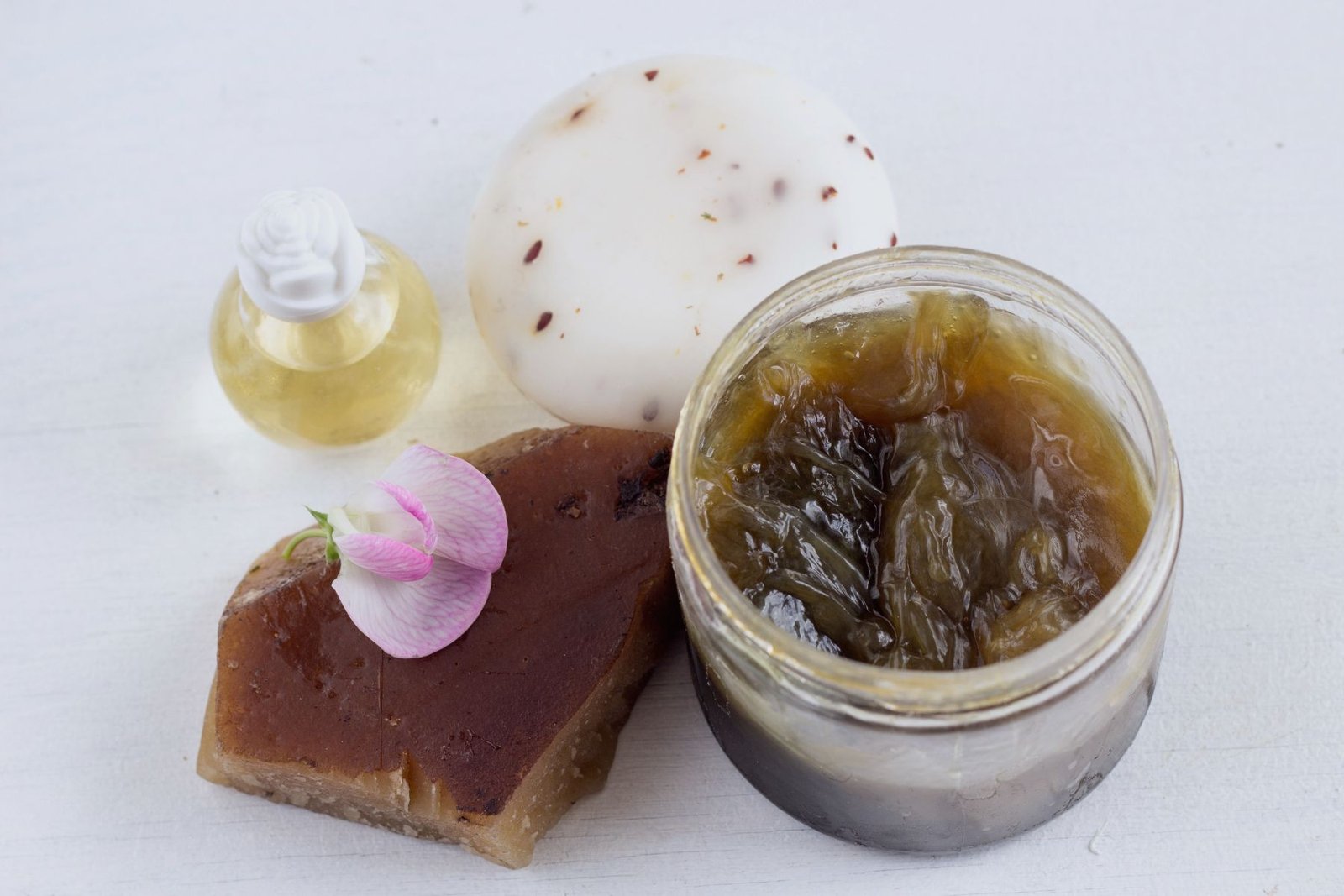
Traditional Moroccan black soap, commonly called savon beldi, is made primarily from olive-derived ingredients. Its soft texture makes it suitable for application to damp skin.
The soap is spread over the body and left briefly before being rinsed away. This prepares the skin for the exfoliation that follows.
3. Exfoliation with a Kessa Glove
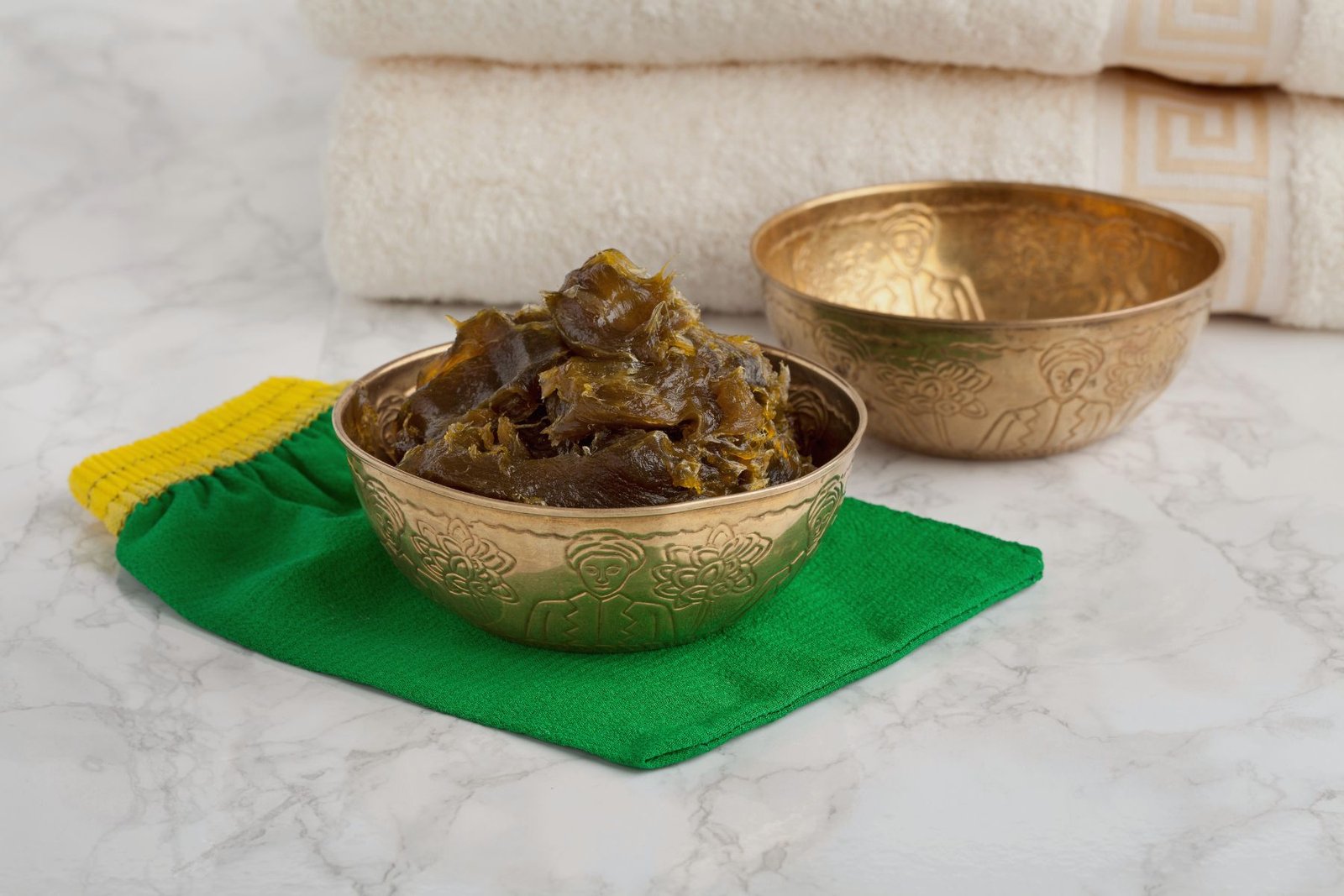
One of the defining stages of a traditional Moroccan bath is exfoliation using a textured glove known as a kessa.
A hammam attendant or therapist works across the skin to remove accumulated dead skin cells. In a traditional setting, the technique can be vigorous; in a luxury spa, the intensity may be adjusted to your preference.
If you have sensitive skin, irritation or a condition that makes exfoliation unsuitable, mention it before the treatment and ask for a gentler alternative.
4. Rinsing and Ghassoul Clay
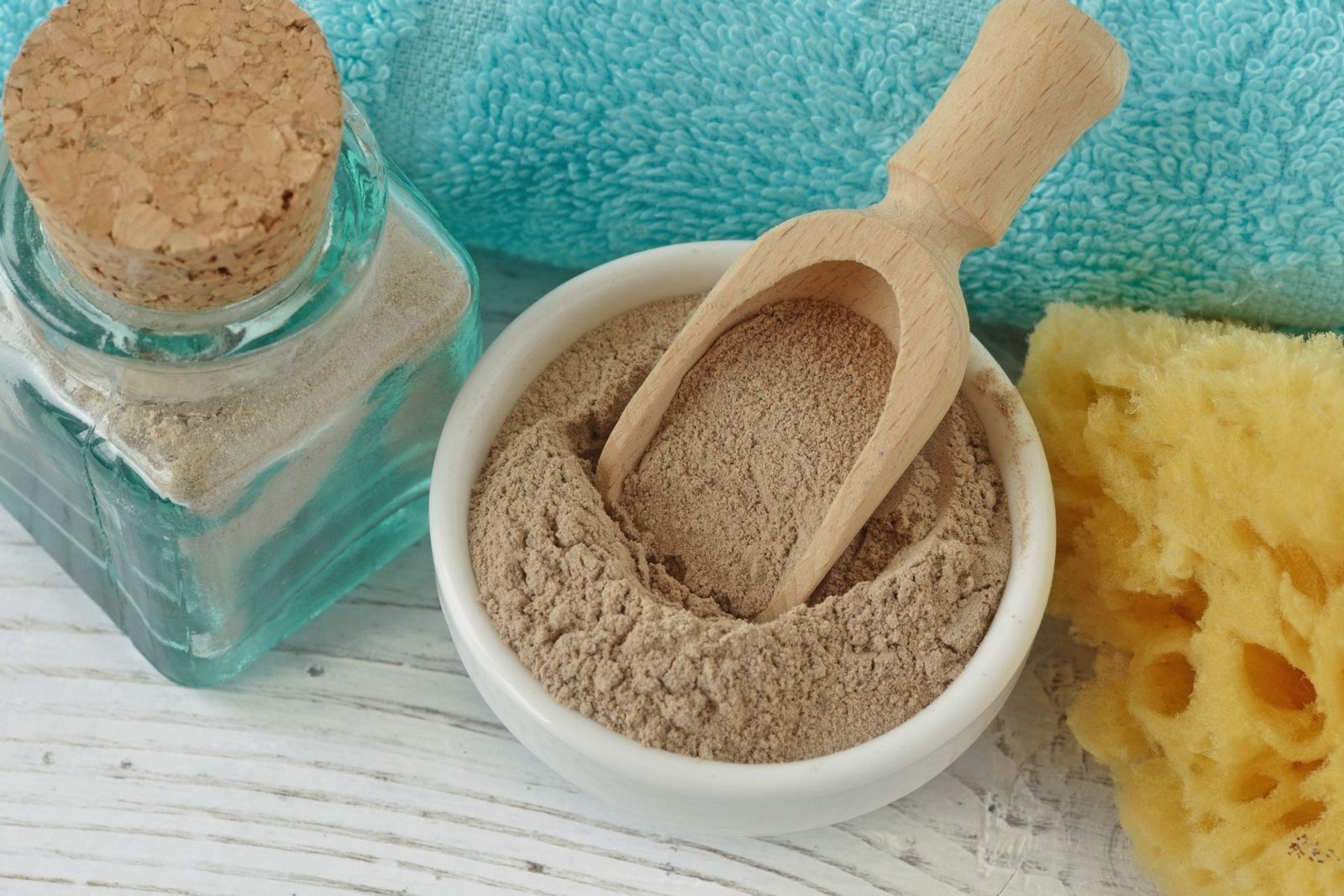
After exfoliation, the body is thoroughly rinsed. Some hammams then incorporate ghassoul, a mineral-rich clay traditionally sourced from Morocco's Middle Atlas region.
Mixed with water and sometimes other ingredients, ghassoul can be applied to the skin or hair depending on the treatment. It is particularly associated with Moroccan bathing and beauty traditions.
Not every Moroccan bath includes clay, so it is worth checking the treatment description when booking.
5. The Finishing Touches
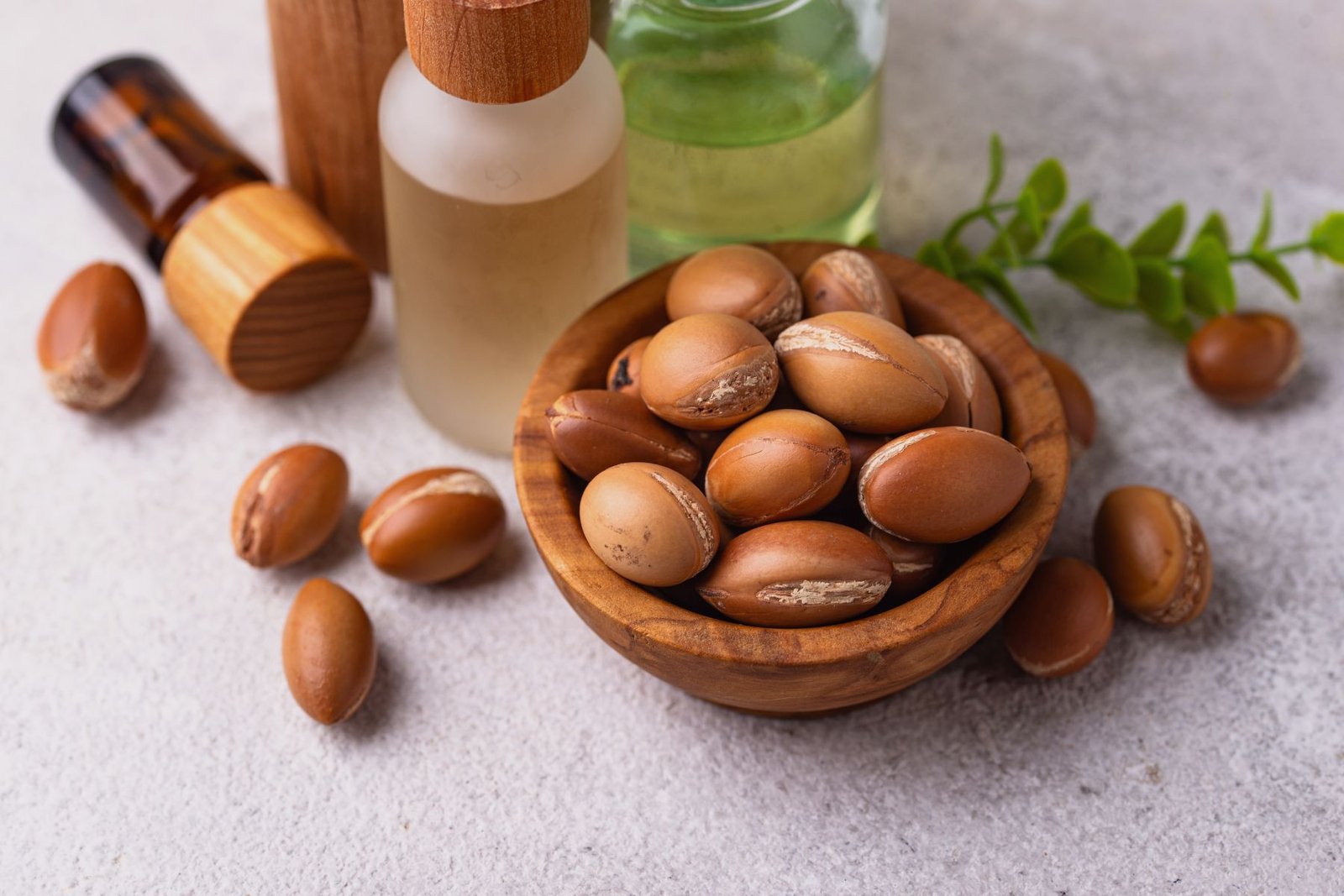
The ritual concludes with a final rinse and time to cool down. Some treatments include a moisturising application, such as argan oil, while others offer a separate massage or relaxation period.
A Moroccan bath can take around 30 to 60 minutes for a basic treatment, although more elaborate spa rituals may last longer. Check the duration and inclusions before booking.
Traditional Hammam or Luxury Moroccan Spa?
The setting has a significant influence on the experience. Neither option is inherently better; they simply offer different ways to encounter the same tradition.
The Traditional Public Hammam
A neighbourhood hammam is the more everyday expression of Moroccan bathing culture. The facilities are generally functional, with communal bathing areas, hot water and steam rather than the private treatment rooms associated with a spa.
Visitors may bring their own soap, exfoliating glove and towels, although arrangements vary. Some hammams offer attendants who perform the exfoliation, while others expect visitors to manage much of the ritual themselves.
This is a good option for travellers interested in the cultural side of a traditional hammam. It can be less predictable for a first-time visitor, so asking about the process, facilities and etiquette beforehand is useful.
The Luxury Hammam and Spa
A luxury hammam offers a more structured experience, often with private treatment rooms, prepared products, towels and a therapist who guides you through each stage.
Treatments may combine the Moroccan bath with a massage, facial or other wellness ritual. The atmosphere is generally quieter, and the experience can be tailored more closely to individual preferences.
If you are searching for a Moroccan bath spa or a hammam and massage experience, check whether the price includes exfoliation, clay, massage and access to the spa facilities. These services are not automatically included in every package.
Experiencing a Moroccan Hammam in Marrakech
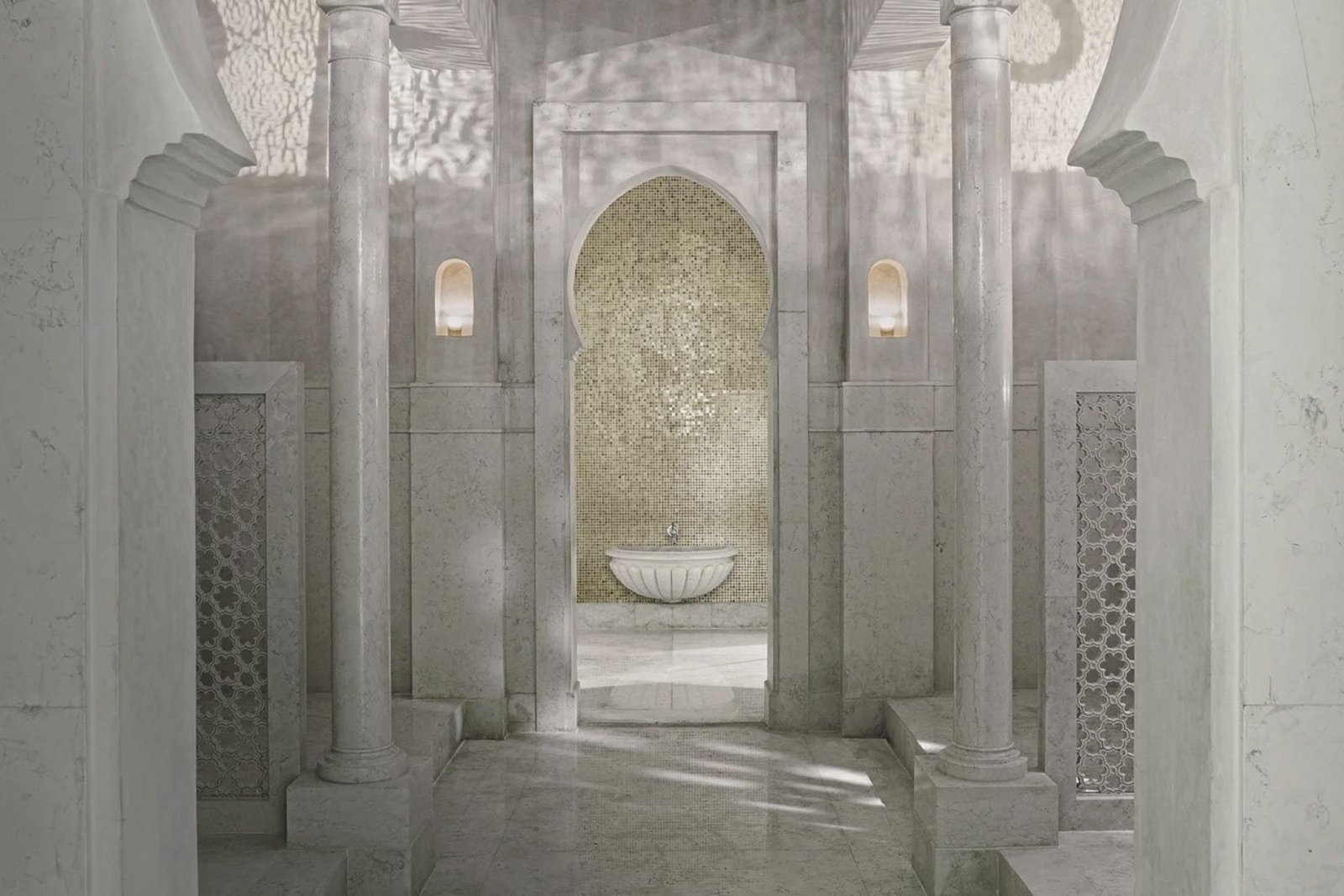
Marrakech has a broad range of hammam experiences, from neighbourhood bathhouses in and around the Medina to established spa destinations in riads and hotels.
A hammam in Marrakech Medina can appeal to travellers who want to experience a traditional setting close to the city's historic streets. The atmosphere is generally more practical than polished, and the ritual may feel closer to an everyday local routine.
At the other end of the spectrum, a luxury hammam in Marrakech may offer private treatment rooms, a more elaborate body scrub, aromatic products and the option to combine the bath with a massage. Some establishments also offer couples' treatments, although privacy arrangements and the format of the experience vary.
The best choice depends on what you want from the visit. If cultural immersion is the priority, a traditional hammam may be the right fit. If you prefer a quieter setting and a more guided treatment, a private spa experience may be more suitable.
Either way, allow enough time to enjoy the ritual without immediately moving on to the next activity.
The Hammam Tradition in Fes
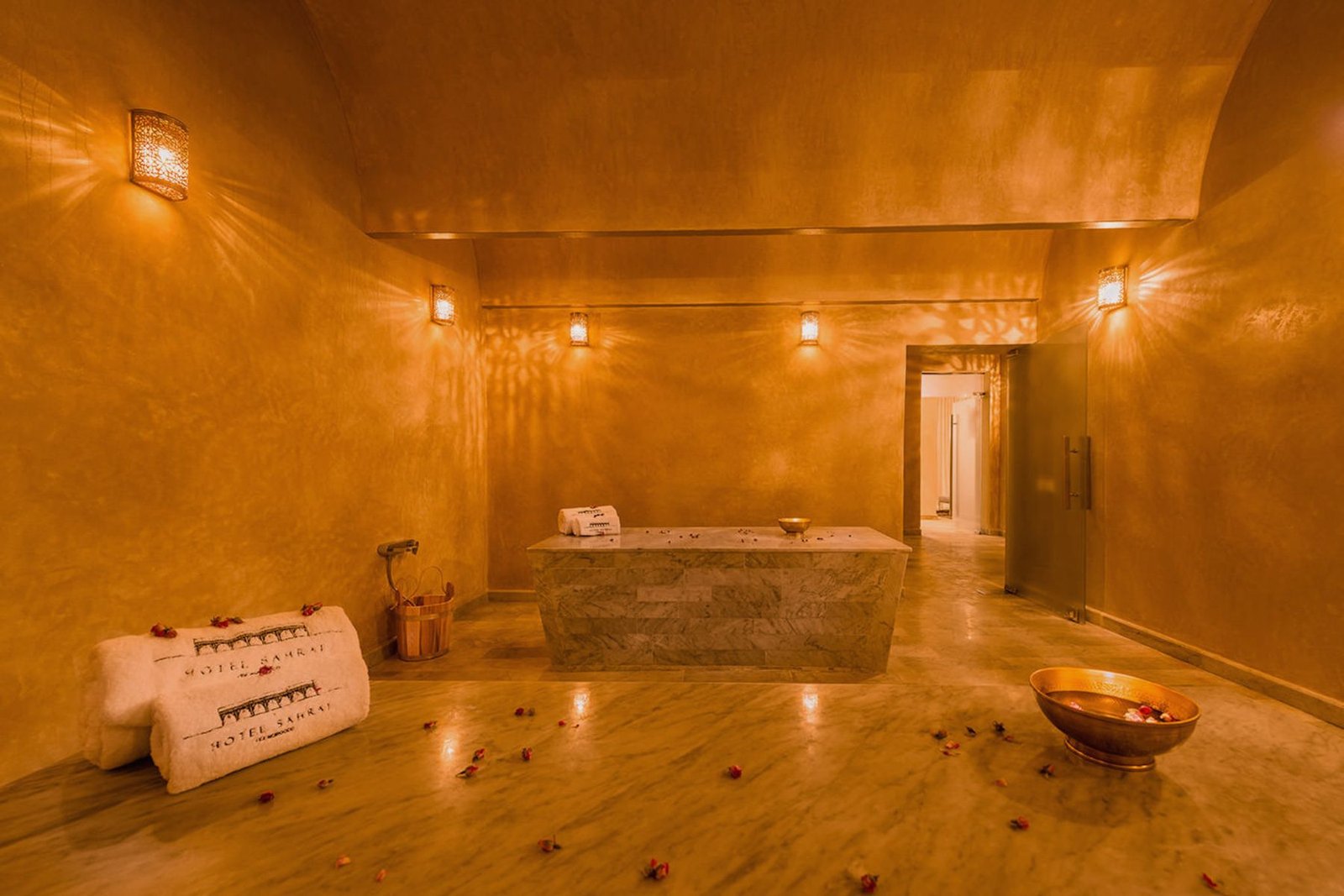
Fes offers another perspective on Morocco's bathing culture. Its historic Medina has long been organised around neighbourhood life, traditional crafts and communal spaces, and hammams remain part of this broader cultural landscape.
Searching for a hammam in Fes or a traditional hammam in Fez can lead to both local bathhouses and spa-style treatments within riads and hotels.
A traditional hammam in Fes may offer a more functional, community-oriented setting, while a riad hammam is more likely to provide a private or semi-private experience arranged around guests. Facilities and treatments differ, so it is worth confirming what is available rather than assuming every hammam follows the same format.
The city is also an excellent place to connect the ritual with other aspects of Moroccan heritage. The craftsmanship found in historic architecture, from carved plaster to intricate zellige, reflects the same attention to materials and detail that visitors encounter throughout the country.
For a broader look at these traditions, read our guide to Moroccan architecture, riads, courtyards and traditional craftsmanship.
Moroccan Bath Benefits: What Can You Expect?
A Moroccan bath is primarily a cleansing and relaxation ritual. The warm environment can feel soothing, while exfoliation helps remove dead skin cells and leaves the skin feeling smoother.
The experience can also provide a welcome pause during a busy trip. After walking through a Medina, exploring markets or spending a day outdoors, taking time for a hammam can help you slow down.
However, claims about detoxification, weight loss or other medical benefits should be treated cautiously. A Moroccan bath is not a medical treatment, and its effects vary from person to person.
For comfort, drink water before and after the treatment, tell the therapist if the heat feels excessive and avoid intense exfoliation if your skin is irritated or particularly sensitive.
How to Include a Hammam in Your Moroccan Stay
A hammam works best when it complements the rhythm of your trip. You might schedule one after a morning exploring Marrakech, reserve an afternoon for wellness while staying in Fes, or choose a more private treatment as part of a relaxed day at your accommodation.
If you are planning a wider wellness experience, our guide to the Agafay Desert and its slower-paced escapes offers inspiration for combining time outdoors with moments of rest. You can also explore Moroccan cuisine and traditional dishes for another way to experience the country's culture beyond its landmarks.
At Leonis Collection, wellness can be arranged as part of a more considered stay. Through our concierge services, guests can enquire about hammam rituals, massages and wellness treatments arranged around their preferences. For those staying in the Red City, our Marrakech accommodation collection offers a starting point for creating a stay that brings together the right setting, services and experiences.
Experience the Moroccan Hammam at Your Own Rhythm
The Moroccan bath has endured because it offers something simple but meaningful: time to cleanse, pause and return to the day feeling refreshed.
Whether you choose a neighbourhood hammam in Fes, a traditional bathhouse in Marrakech or a private treatment in a luxury spa, the experience is best approached with an open mind and realistic expectations.
For Leonis Collection, these rituals are part of a wider understanding of Moroccan art de vivre. The stay is not limited to the place you sleep, it is shaped by the experiences, services and small details that make time in Morocco feel personal.
A hammam is one of those moments : a tradition rooted in everyday life, experienced at a pace that leaves room to appreciate it.


Lorinda Thompson