


1. January in Morocco: The Art of the Quiet Season
January is one of Morocco's most interesting months for travellers who appreciate a more relaxed approach to exploration. The busy festive period gradually gives way to quieter streets, more intimate experiences and the freedom to discover destinations without following the pace of peak-season tourism.
The climate in Morocco in January makes this particularly enjoyable. In inland destinations such as Marrakech, afternoons often reach 19°C to 22°C, while evenings become considerably cooler, with temperatures around 7°C to 9°C. Along the Atlantic coast, the atmosphere is generally milder, although ocean winds bring a different sensation.
Beyond the figures, it is the quality of the season that stands out. Imagine breakfast in a sunlit courtyard, an afternoon exploring a historic medina and an evening spent beside a fireplace. In the distance, the High Atlas Mountains offer a striking winter backdrop, their highest peaks often covered in snow.
The transition after the New Year celebrations is especially appealing for those seeking a restorative escape. Rather than filling every day with activities, January leaves room for spontaneous discoveries and moments of stillness.
2. Where to Experience Morocco at Its Best
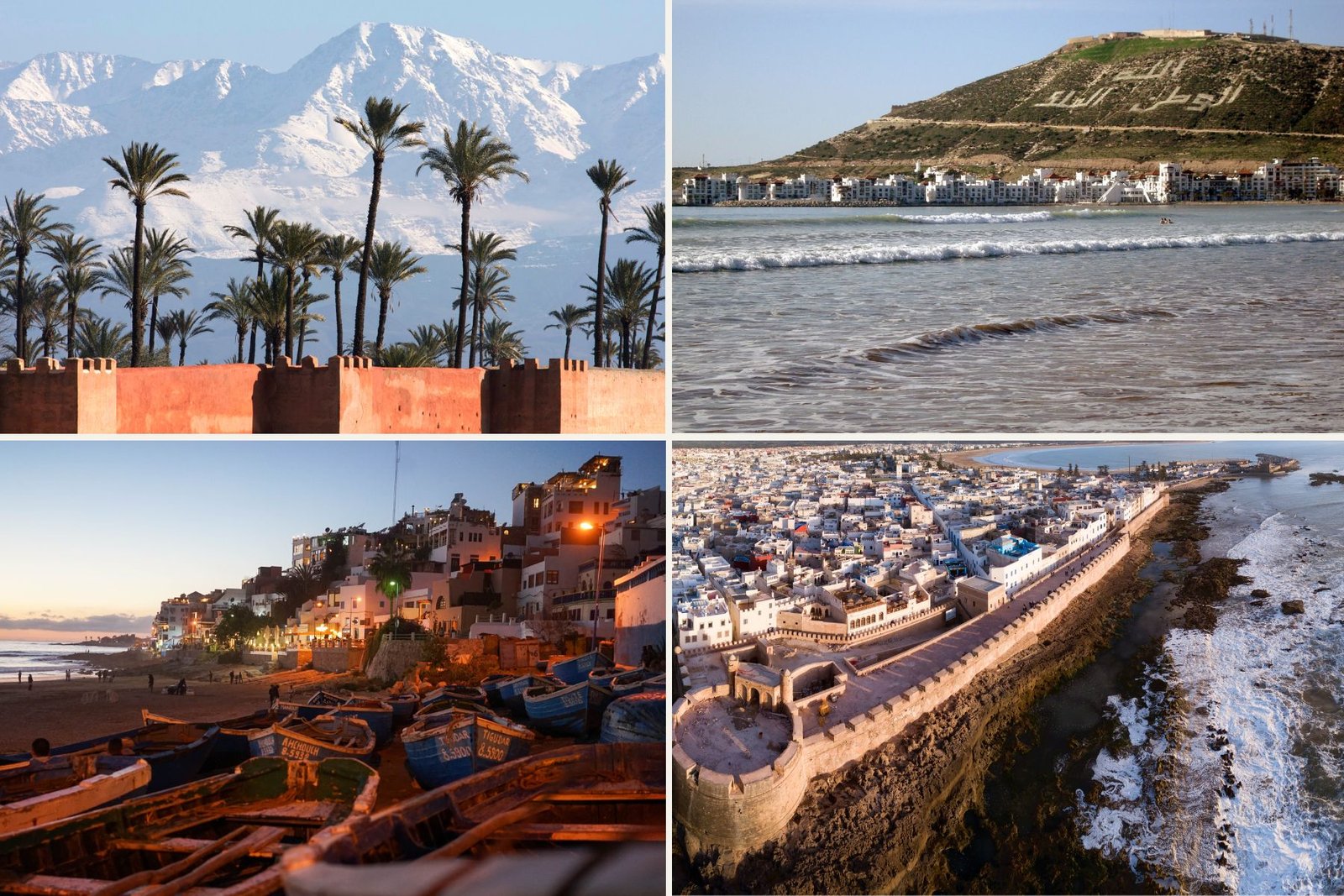
Every destination offers a different interpretation of winter. Choosing the right combination can turn a short holiday into a varied journey through architecture, nature, coastal life and local culture.
Marrakech : Architecture, Gardens and Winter Sun
Marrakech in January is particularly suited to travellers who enjoy discovering a city on foot. Without the intensity of summer heat, the medina becomes more inviting, allowing time to appreciate its narrow passages, traditional workshops and historic monuments.
Winter light brings a particular beauty to the Red City. The ochre walls, carved wooden doors, intricate zellige and shaded courtyards take on softer tones throughout the day. Gardens such as the Majorelle Garden and the Menara offer peaceful moments between visits, while rooftop terraces provide an inviting setting for lunch overlooking the city.
The Marrakech January temperature also makes day trips towards the Atlas Mountains appealing. A journey through the surrounding countryside reveals traditional villages, mountain landscapes and panoramic viewpoints.
After a day exploring, a private riad or villa offers a welcome retreat. Discover our collections for residences where architecture, privacy and thoughtful hospitality shape the experience.
Agadir and Taghazout : Life Along the Atlantic
Further south, Agadir Morocco weather January is well suited to outdoor activities. The coastline offers opportunities for long walks, golf, seaside dining and excursions into the surrounding landscapes.
A little further north, Taghazout has an entirely different appeal. The village attracts an international community of surfers, independent travellers and those drawn to a relaxed coastal lifestyle.
The Taghazout weather January creates favourable conditions for enjoying the coastline, while the winter Atlantic brings experienced surfers to its renowned breaks.
Essaouira: A Coastal Escape with Character
The Essaouira weather January is cooler and windier, but the city's atmosphere is particularly appealing during this season.
Its whitewashed architecture, blue shutters, fishing port and historic ramparts create a distinctive setting for a slower cultural escape. Explore the medina's galleries, discover local crafts or enjoy freshly caught seafood overlooking the harbour.
3. January Experiences: From Atlantic Swells to Amazigh Traditions
Some of the most memorable things to do in Morocco in January are connected to the season itself.
The Atlantic surf season
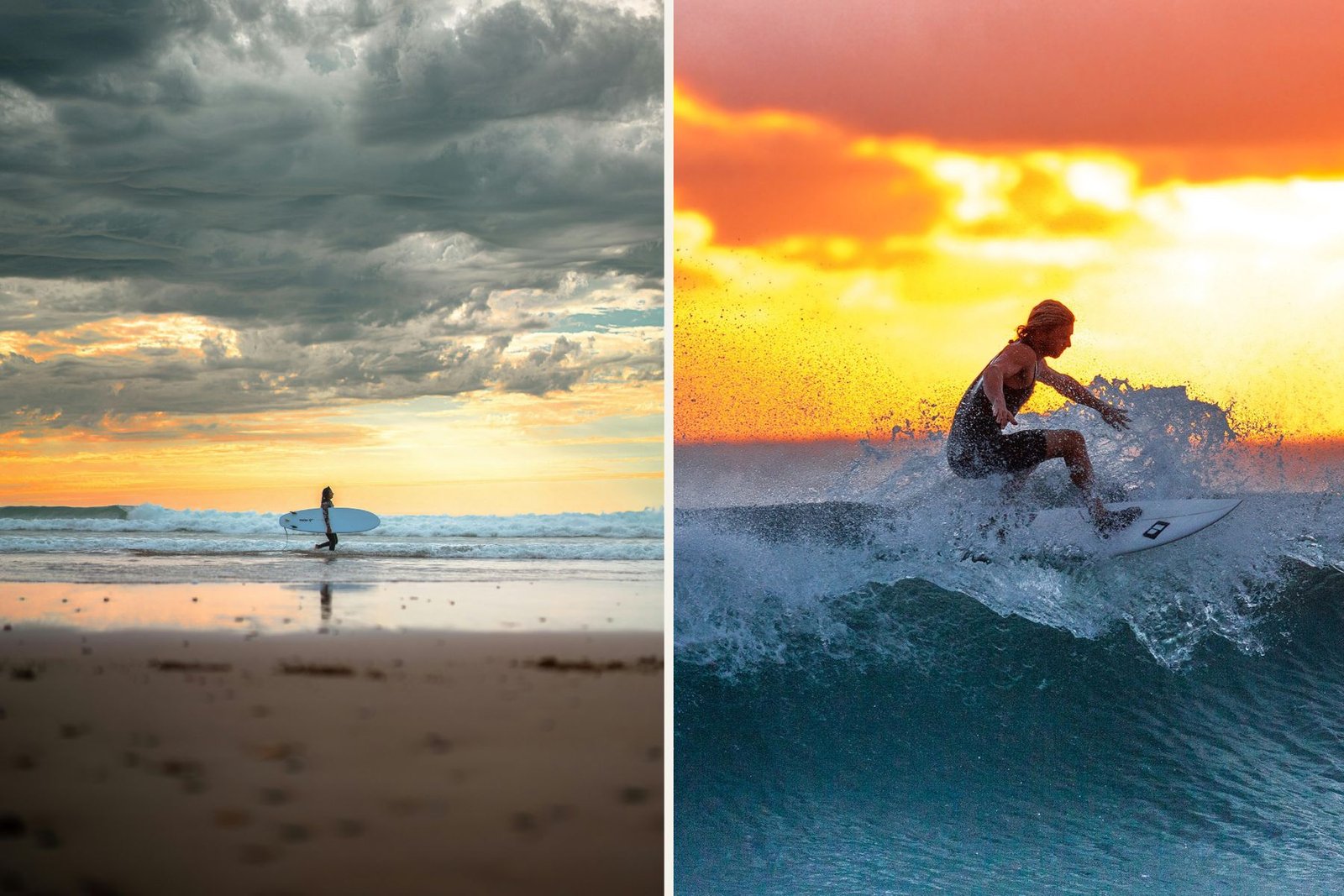
January falls within the heart of the winter surf season along Morocco's Atlantic coast. Taghazout and Imsouane attract surfers from around the world, thanks to their established breaks and the arrival of North Atlantic groundswells.
Anchor Point, one of Taghazout's best-known surf spots, is particularly celebrated for its long right-hand waves when conditions align. For those who prefer a gentler introduction, local surf schools offer lessons and guided sessions.
Even without a surfboard, the coastline is worth exploring. Watching the waves arrive against the rocky shoreline, followed by a leisurely lunch overlooking the ocean, is an experience in itself.
The Marrakech Marathon

January also brings the Marrakech International Marathon, an established sporting event attracting runners from across the world. The route passes the city's historic ramparts, the Menara gardens and the surrounding palm groves.
The 2027 edition is scheduled for 31 January, offering an additional reason to visit the Red City at the end of the month.
Yennayer : The Amazigh New Year
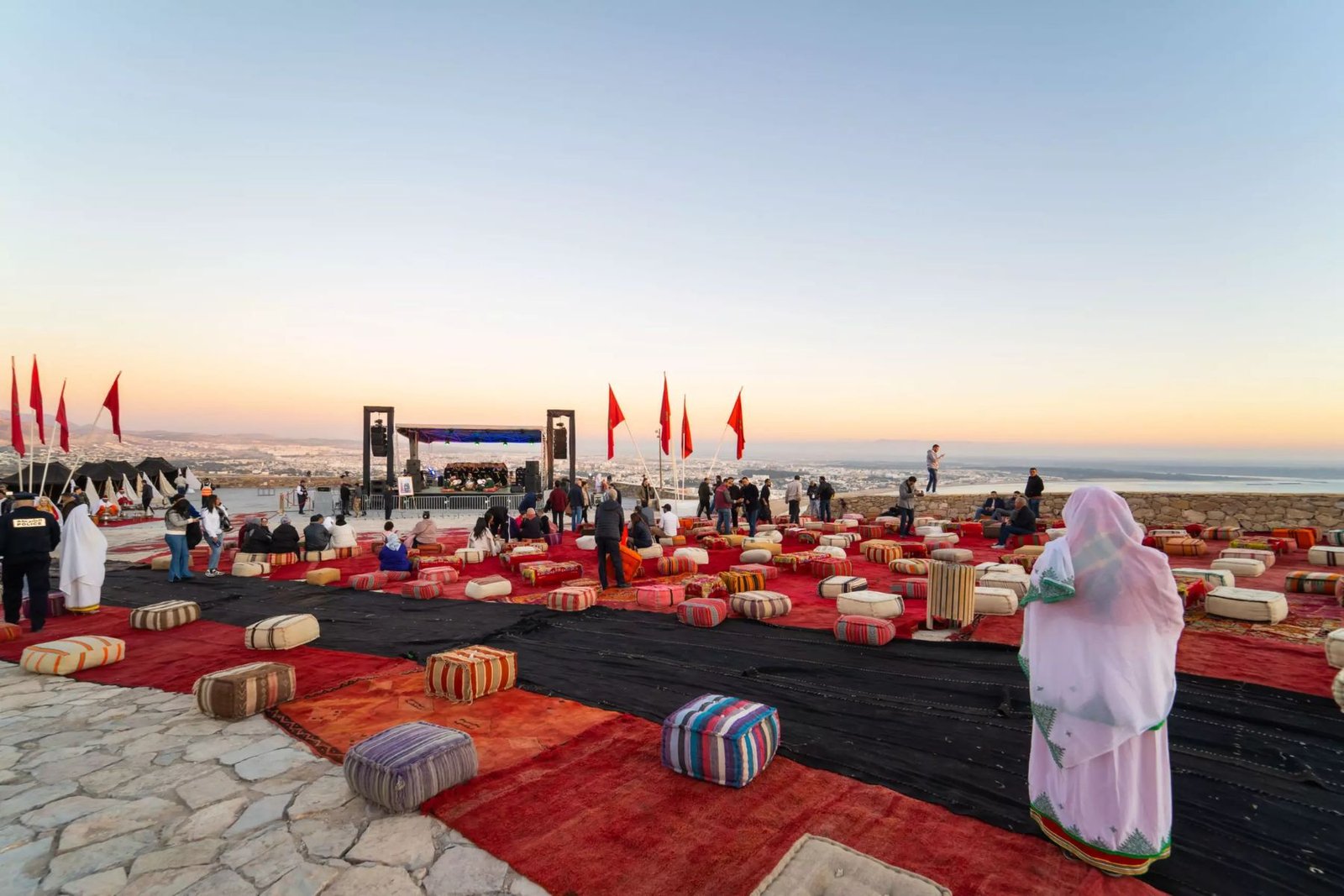
On 14 January, Morocco celebrates Yennayer, the Amazigh New Year. The occasion marks the beginning of the traditional agricultural calendar and is associated with family gatherings, regional customs and festive meals.
Traditional dishes vary between communities, with preparations such as Tagulla, a grain-based dish, forming part of some local celebrations. For travellers, it offers an opportunity to discover another dimension of Moroccan cultural heritage.
The first almond blossoms
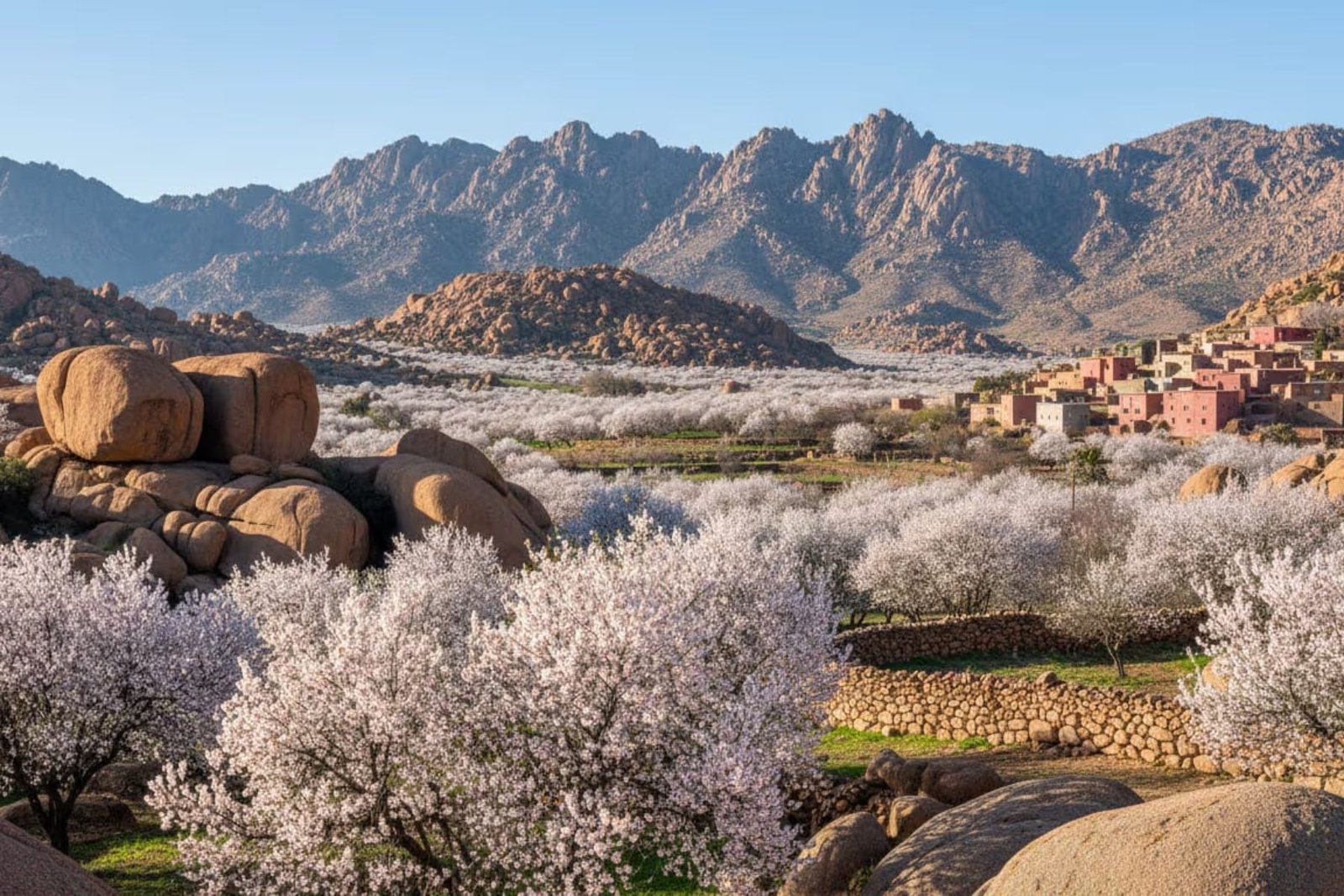
Towards the end of January, the landscapes around Tafraoute and the Anti-Atlas may begin to show the first almond blossoms. February is generally the more reliable period to witness the flowering at its fullest.
4. A Season for Slowing Down: Moroccan Wellness and Gastronomy
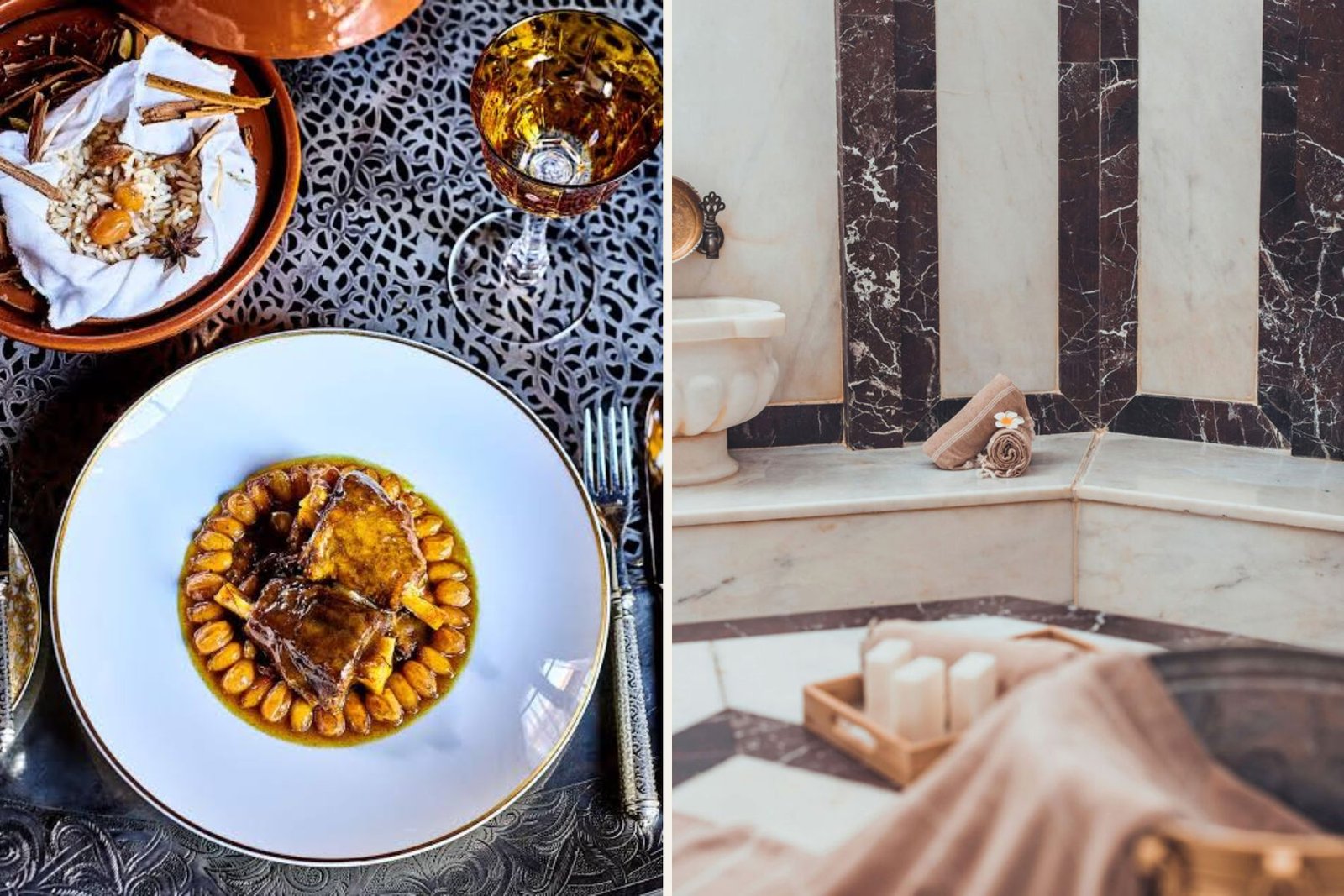
January is an ideal time to rediscover the pleasures of doing less. Rather than moving constantly between attractions, travellers can devote entire afternoons to wellness, gastronomy and the quieter rituals of everyday life.
A traditional Moroccan hammam is particularly suited to the season. Warm steam, black soap, exfoliation and restorative treatments create an experience that is both deeply rooted in local culture and naturally relaxing.
Explore our guide to hammam rituals for a closer look at this longstanding Moroccan tradition.
The season also brings its own pleasures to the table. Winter citrus, olives, freshly pressed olive oil and seasonal vegetables feature in Moroccan kitchens. Slow-cooked tagines, warming harira and freshly prepared breads make for particularly satisfying meals after a day outdoors.
For a more intimate experience, a private dinner prepared by a chef in the comfort of a residence allows guests to enjoy local flavours at their own pace.
5. What to Wear in Morocco from January to March
Understanding what to wear in Morocco in January is less about preparing for extreme cold and more about dressing for changing conditions throughout the day.
For city exploration, tailored cotton or linen shirts, comfortable trousers and lightweight knitwear work well during sunny afternoons. Cashmere wraps and structured wool coats provide additional warmth for early mornings and evenings.
Leather footwear is a practical choice for navigating medina streets, historic pavements and traditional interiors. For coastal destinations, bring a wind-resistant jacket, particularly if you plan to spend time around Essaouira or Taghazout.
As the season progresses, Morocco in February weather begins to feel increasingly spring-like in some regions, although evenings can remain cool. March brings further opportunities for outdoor dining, countryside excursions and the first signs of spring across the country.
A versatile wardrobe of adaptable layers is the best approach for a journey covering several destinations.
6. Choosing the Right Winter Residence
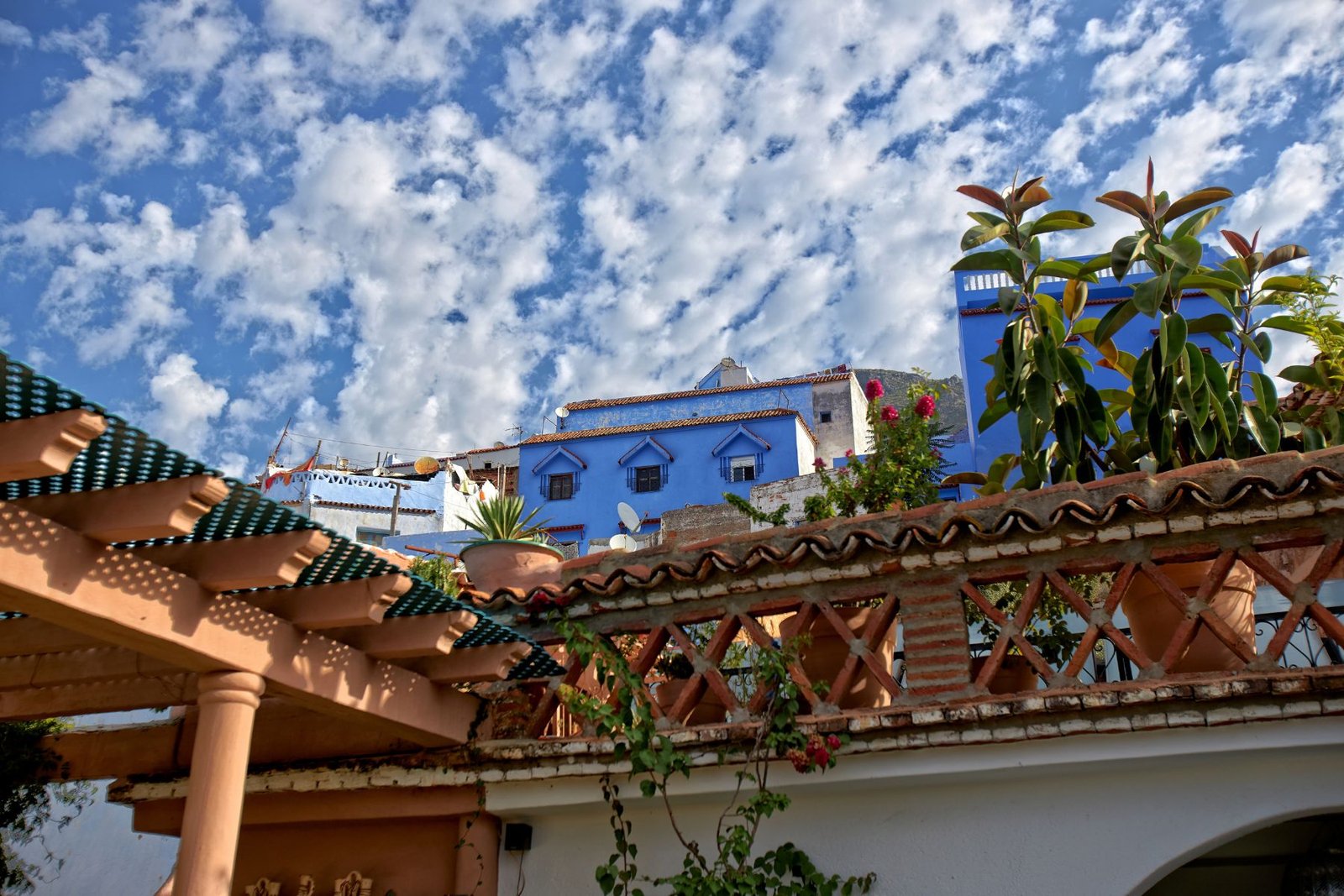
A memorable winter escape depends on more than its location. The residence itself should be designed or properly equipped to provide comfort throughout the cooler months.
Traditional Moroccan architecture is beautiful, but its courtyards, tiled floors and thick walls can feel cool after sunset. A working fireplace, effective bedroom heating and comfortable indoor living spaces make a significant difference.
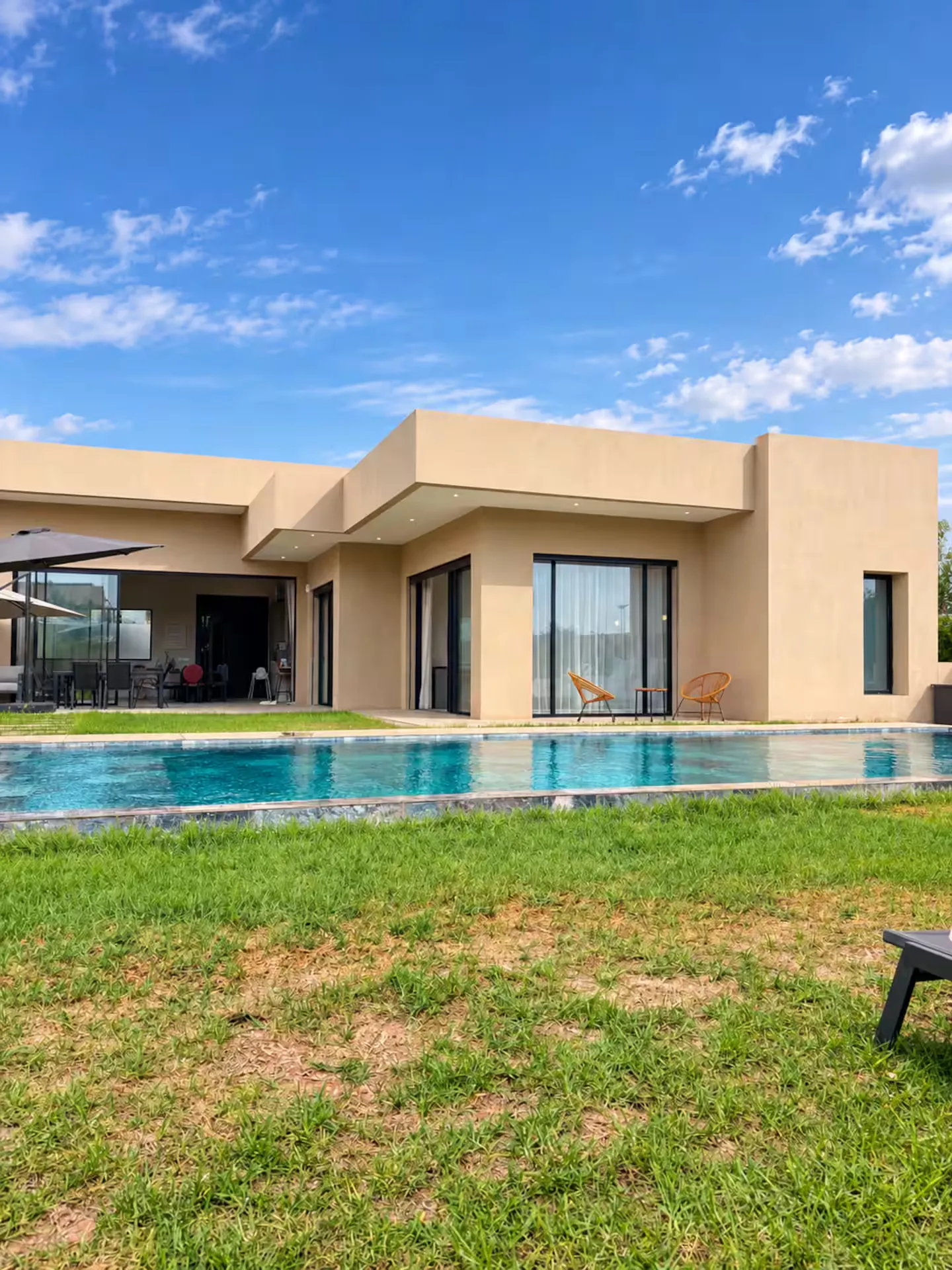
For travellers who wish to enjoy the pool during winter, it is also worth confirming that heating is available and asking about the actual operating temperature. A properly maintained temperature around 28°C can make outdoor swimming considerably more inviting.
Beyond the property, thoughtful arrangements contribute to the overall experience. Private chefs, airport transfers, housekeeping, wellness treatments and tailored excursions can all be organised according to individual preferences.
Through our conciergerie, Leonis Collection brings these details together, allowing the residence to become the starting point for a more complete experience of Morocco.
7. Planning Your Early-Year Escape
January offers a particularly rewarding way to discover Morocco : Quieter medinas, inviting winter sunshine, dramatic mountain scenery and an Atlantic coastline at its most energetic.
Whether you choose Marrakech for its architecture and cultural heritage, Taghazout for its surf culture, Essaouira for its coastal character or the Atlas Mountains for a change of scenery, the season offers plenty of possibilities.
February and March extend this experience, bringing the gradual arrival of spring, blossoming landscapes and further opportunities to explore at a comfortable pace.
For travellers considering an earlier winter departure, our article on December weather explores the atmosphere and experiences of the preceding month.
At Leonis Collection, we see a stay as the beginning of something more considered. The right residence, the right experiences and the freedom to enjoy each moment make January an especially beautiful time to discover Morocco.




Be the first to leave a thoughtful comment.